How to prepare a seedbed: steps and procedures
NEWS · 04 February 2026
Preparing the seedbed properly is one of the most important steps in growing healthy, uniform and productive crops. Find out what all the steps are.
In fact, a good start for the seed depends largely on the quality of the soil in which it is sown.
For this reason, soil preparation cannot be left to chance, but must follow precise stages and be carried out using reliable, high-performance agricultural machinery.
In this article, we will look at what a seedbed is, why it is so important and what the main stages are for preparing it effectively, with a focus on the machinery used at each stage.
What is a seedbed and why is it essential
A seedbed is the top layer of soil intended to receive the seed. It must have very specific characteristics to promote germination and the plant’s initial development. A good seedbed is loose on the surface but at the same time firm deeper down, well levelled and free from crop residues and weeds.
Properly prepared soil enables:
- improved contact between the seed and the soil;
- uniform water absorption;
- consistent germination;
- reduced initial stress on the crop;
- optimised sowing efficiency;
The quality of the seedbed therefore has a direct impact on the final crop yield. This is why it is essential to follow an appropriate sequence of tillage operations and to use agricultural machinery designed to preserve the soil structure.
The stages of seedbed preparation
Seedbed preparation involves several stages, each with a specific objective. The methods may vary depending on the type of crop, soil conditions and the season, but the principle remains the same: to create the ideal environment for the seed. Let’s look at the main stages in detail.
Managing crop residues with professional shredders
Even before touching the soil, it is necessary to deal with what remains on the surface from the previous harvest. This stage serves to shred stalks, straw or woody debris that could clog machinery during subsequent operations.Professional shredders are used for this purpose – a field in which Zanon has long been a market leader. Thanks to these machines, crop residues are reduced to tiny fragments, facilitating their decomposition and transforming them into valuable organic matter for the soil.
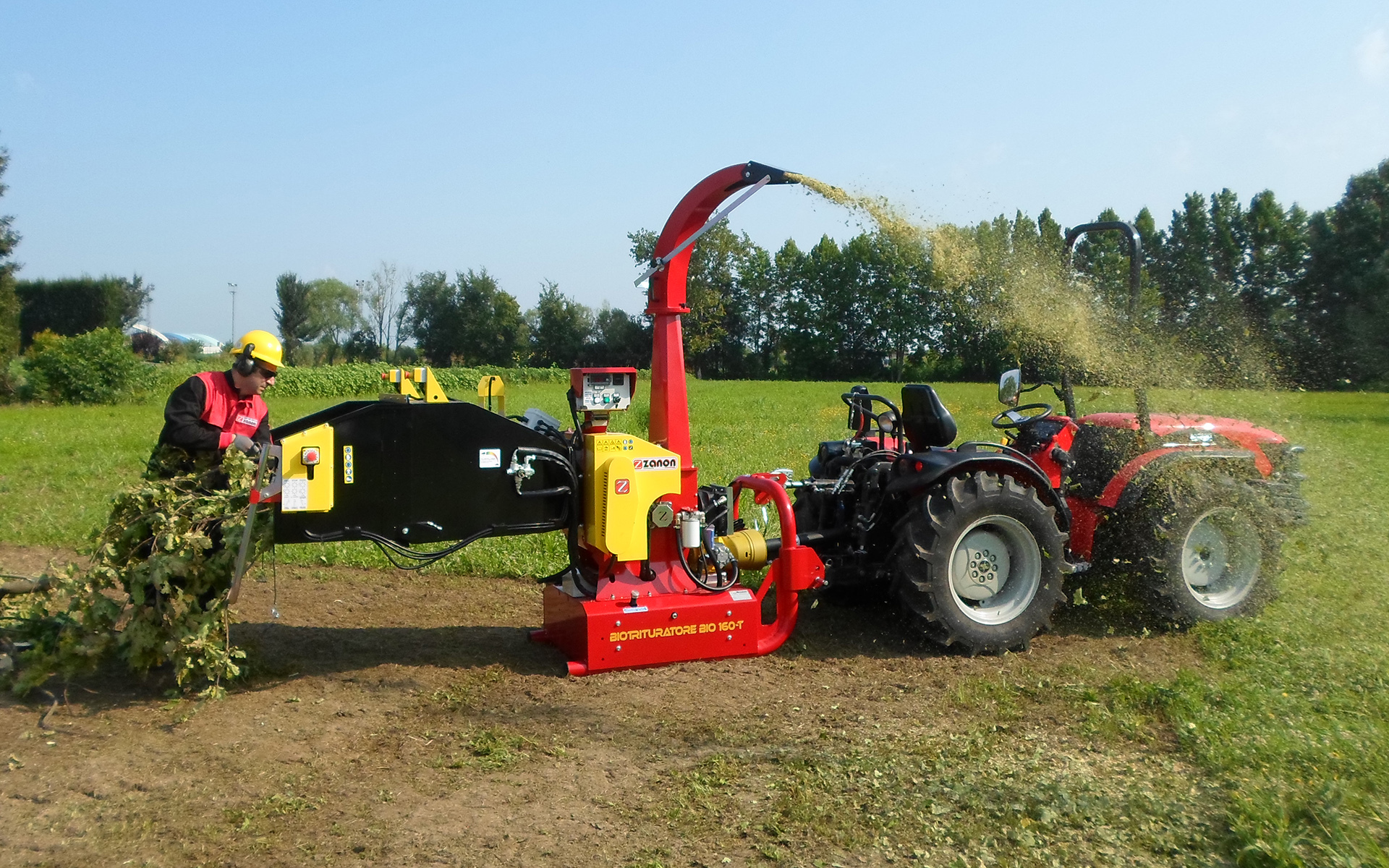
The main benefit is clean, enriched soil, ready to be tilled without any mechanical problems.
Primary tillage: breaking up the soil
Once crop residues have been managed, the next step is to break up the surface or deeper layers of the soil. This stage is essential to allow the soil to breathe.
In addition to the traditional plough, subsoilers play a crucial role at this stage. These machines are used to carry out deep vertical tillage without inverting the soil layers.
The main aim is to improve the soil’s water absorption capacity, ensuring that rainwater does not pool on the surface but seeps deep into the ground. Speaking of waterlogging, if you’d like to explore this topic further, read our article on how to prevent waterlogging in the soil.
The immediate benefit of this tillage is soil that is more conducive to deep roots, which will encounter less resistance as they spread.
Harrowing: levelling and breaking up clods
After primary tillage, the soil is often uneven and contains large clods. The harrowing stage serves to break up the clods, level the surface and create a finer, more uniform structure, ideal for sowing.
By using rotary or disc harrows, the farmer can break up the most stubborn clods of earth and level the ground. This stage serves to remove the main irregularities that could hinder subsequent operations.
The benefits are clear: a more even distribution of moisture across the entire plot and the creation of a level surface that greatly facilitates the movement of precision machinery.
Tilling: creating the fine soil structure
Tilling is undoubtedly one of the most delicate stages, as it determines the final quality of the ‘fine soil’ that will envelop the seed to ensure it has proper contact with the soil’s moisture.
Professional agricultural tillers are used for this operation, but in particularly difficult or stony ground, the ideal solution is a stone burier. This machine is used to work the soil and, at the same time, to sort out and bury stones or coarse debris beneath a layer of fine soil.
The main benefit is the creation of an aerated environment that promotes optimal gas exchange and faster soil warming, thereby speeding up germination times.
Weed control and residue management
When preparing the seedbed, it is vital to eliminate competition from weeds that could choke the newly emerged seedlings. This stage serves to mechanically eradicate weeds that have emerged following the initial tillage operations. To find out more, read our guide on how to control weeds.
Light harrows, hoes or mechanical weeders are often used, as they work on the topsoil. The main advantage of thorough mechanical control is that it reduces the use of chemicals and ensures that the seed has access to all the soil’s nutrients and water without any ‘competitors’.
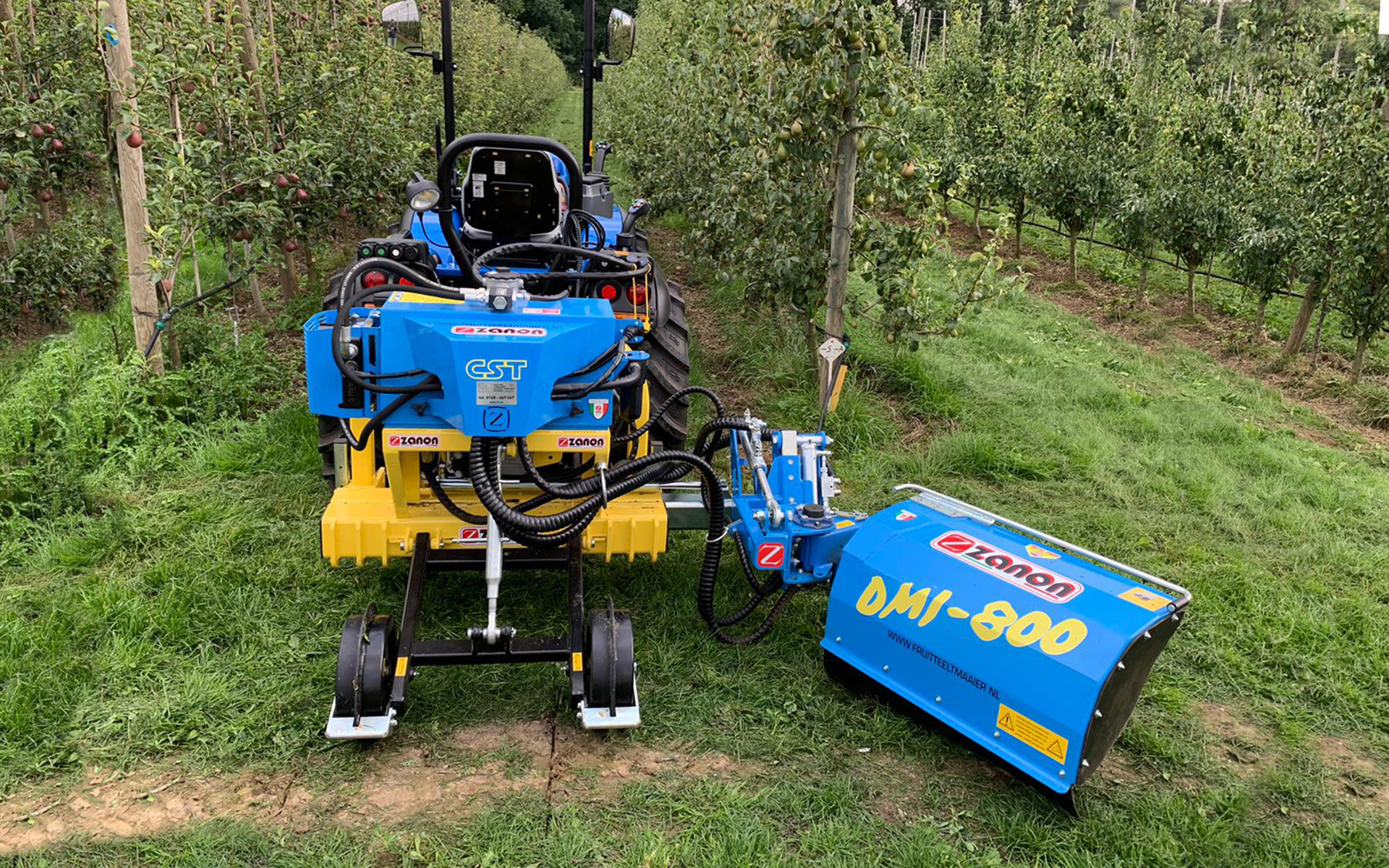
The use of suitable agricultural machinery reduces the need for further work, contributing to more sustainable land management.
Raking: the precision finishing touch for the seedbed
Using mechanical rakes or surface refiners, any remaining woody debris or stones on the surface are removed.
This stage serves to perfect the millimetre-precise levelling of the soil. The direct benefit is that it enables the seed drill to operate at a constant depth, avoiding the risk of some seeds being left too exposed to the air or, conversely, buried under too much soil.
Strategic tips for perfect seedbed preparation
- Pay attention to soil moisture: work the soil only when it is ‘at the right moisture level’, i.e. neither too dry nor too wet, to avoid damaging its structure or creating compacted clods.
- Do not over-fine the soil: soil that is too finely broken down can form a surface crust after the first rain, preventing the seed from emerging; always leave a small percentage of clods on the surface.
- Monitor your forward speed during tillage: tilling too quickly does not break up the soil sufficiently, whilst tilling too slowly risks pulverising the soil, making it vulnerable to heavy rain.
- Component maintenance: regularly check the wear and tear on your machinery’s tines and blades to ensure a clean cut at all times and reduce the strain on the tractor.
- Preventative management of crop residues: if the field is very weedy, run a mulcher over it before the main tillage operations to break up the vegetation and make it easier to incorporate into the soil.
- Coordinate tillage operations: try not to leave too much time between fine tillage and sowing to prevent the soil from losing the precious moisture accumulated in the lower layers.
Why does Zanon technology make the difference?
Investing in high-quality machinery is not just a matter of durability, but a strategy to improve operational efficiency. Zanon, backed by its numerous patents, develops solutions that reduce the number of passes required.
Using technologically advanced machinery means optimising fuel consumption and protecting soil structure by reducing soil compaction. Furthermore, the precision of our implements ensures that the seedbed is perfect from the very first pass, maximising the final crop yield.
Final thoughts
Optimal seedbed preparation is crucial for the agricultural yield of the land. From the initial removal of crop residues to the final finishing with raking, every operation requires a perfect balance of power and precision. Adopting state-of-the-art equipment, the result of over fifty years of experience and innovation in the sector, is the key to transforming field operations into a tangible source of competitive advantage.
Would you like a personalised consultation to find out which Zanon machines are best suited to the crops on your farm?