Vineyard aeration: techniques and equipment
NEWS · 13 February 2026
Aeration of the vineyard is one of the most important agronomic practices for keeping the soil healthy, fertile and productive over time. Discover all the ideal techniques and equipment.
Often underestimated, this practice has a direct impact on soil quality and on the vines’ ability to develop a strong and efficient root system. In an agricultural context increasingly focused on sustainability and the optimisation of resources, properly aerating the vineyard soil means investing in the future of viticulture.
In this article, we will look at what vineyard aeration is, when is the best time to carry it out, which techniques are most effective, and which equipment yields the best results.
What is vineyard aeration
Vineyard aeration is a soil management practice aimed at improving the circulation of air, water and nutrients in both the surface and deeper layers of the soil. Over time, the soil tends to become compacted due to the passage of agricultural machinery, heavy rainfall and the natural settling of particles.
Compacted soil restricts root development, reduces the uptake of water and nutrients, and promotes waterlogging. Aeration addresses precisely these issues by breaking up the surface crust or the harder layers of the soil and restoring a more balanced structure.
This practice should not be confused with invasive deep tillage. On the contrary, when carried out correctly, aeration preserves the soil’s vitality and improves its functionality without unduly altering its biological balance.
Why aeration is important for vineyards
Well-aerated soil offers numerous benefits in both the short and long term. Vines are able to develop more uniformly and cope better with environmental stresses, such as drought or heavy rainfall.
The main benefits of vineyard aeration include:
- improved oxygenation of the soil and roots;
- increased water drainage capacity;
- greater availability of nutrients for the plant;
- reduced risk of permanent soil compaction;
- stimulation of soil microbial activity;
All these factors help to create a more favourable environment for vine growth and, consequently, for the quality of the grapes produced.
When is the best time to aerate the soil in a vineyard?
Determining the right time to aerate a vineyard is crucial, as it allows you to maximise the benefits of this cultivation practice whilst preventing unnecessary stress on the vines. Generally speaking, the best time depends on the type of soil, the climate and the vegetative stage of the vine.
The most suitable times are:
- late winter or early spring, before vegetative growth resumes;
- autumn, after the grape harvest and once the leaves have fallen;
In spring, aeration helps the soil to warm up more quickly and promotes root development. In autumn, on the other hand, it improves rainwater infiltration and prepares the soil for the following season.
It is important to avoid working the soil when it is too wet, as this risks increasing compaction rather than reducing it. Similarly, working excessively dry soil can be ineffective and require greater effort.
The most effective aeration techniques in vineyards
There are various techniques for aerating vineyards, each suited to specific agronomic requirements. The choice depends on the desired depth of treatment, the level of soil compaction and the overall management of the vineyard.
The most commonly used techniques include:
- shallow aeration, ideal for breaking up the soil crust and improving water absorption;
- light tillage, useful for working intermediate soil layers without disturbing the roots;
- deep decompaction, recommended where there are plough pans or persistent compaction;
In many cases, the best approach is to combine several techniques throughout the year, adapting them to the vineyard’s conditions and production objectives. A targeted and well-planned intervention enables lasting results to be achieved without compromising soil stability.
Equipment for aerating vineyard soil
To carry out effective aeration, it is essential to use equipment specifically designed for vineyard work. Over the last few decades, technological advances have led to the development of machines that are increasingly precise, efficient and gentle on the soil. Let’s take a look at the most suitable equipment.
Subsoilers: when and why to use them in the vineyard
Subsoilers are pieces of machinery designed to work the soil to a medium depth, breaking up compacted layers without completely turning the soil over. In the vineyard, they are mainly used to improve the soil structure between the rows and promote better water infiltration.
These machines are particularly useful when the soil is compacted at the surface or at intermediate depths due to repeated tillage. The action of subsoilers makes the soil softer and more permeable, improving the root zone without unduly disturbing the vine’s root system.
Aerators: the ideal equipment for surface tillage
Aerators are pieces of equipment designed primarily to work the surface layers of the soil. Their purpose is to break up the crust that forms on the surface and promote gas exchange between the soil and the atmosphere.
In vineyards, aerators are used to improve the absorption of rainwater and reduce the risk of waterlogging. This tillage is also useful for maintaining good soil structure throughout the year, particularly in vineyards where the impact of deeper mechanical tillage is to be minimised.
A concrete example is the AR aerator, designed for agricultural use. This implement is fitted with movable blades mounted on a sturdy steel frame, which work the soil to promote air entry and water infiltration.
Key features of the AR aerator:
- designed to remove moss and thatch from the soil;
- movable blades for shallow tillage;
- sturdy steel frame;
- option to add a basket for collecting plant debris;
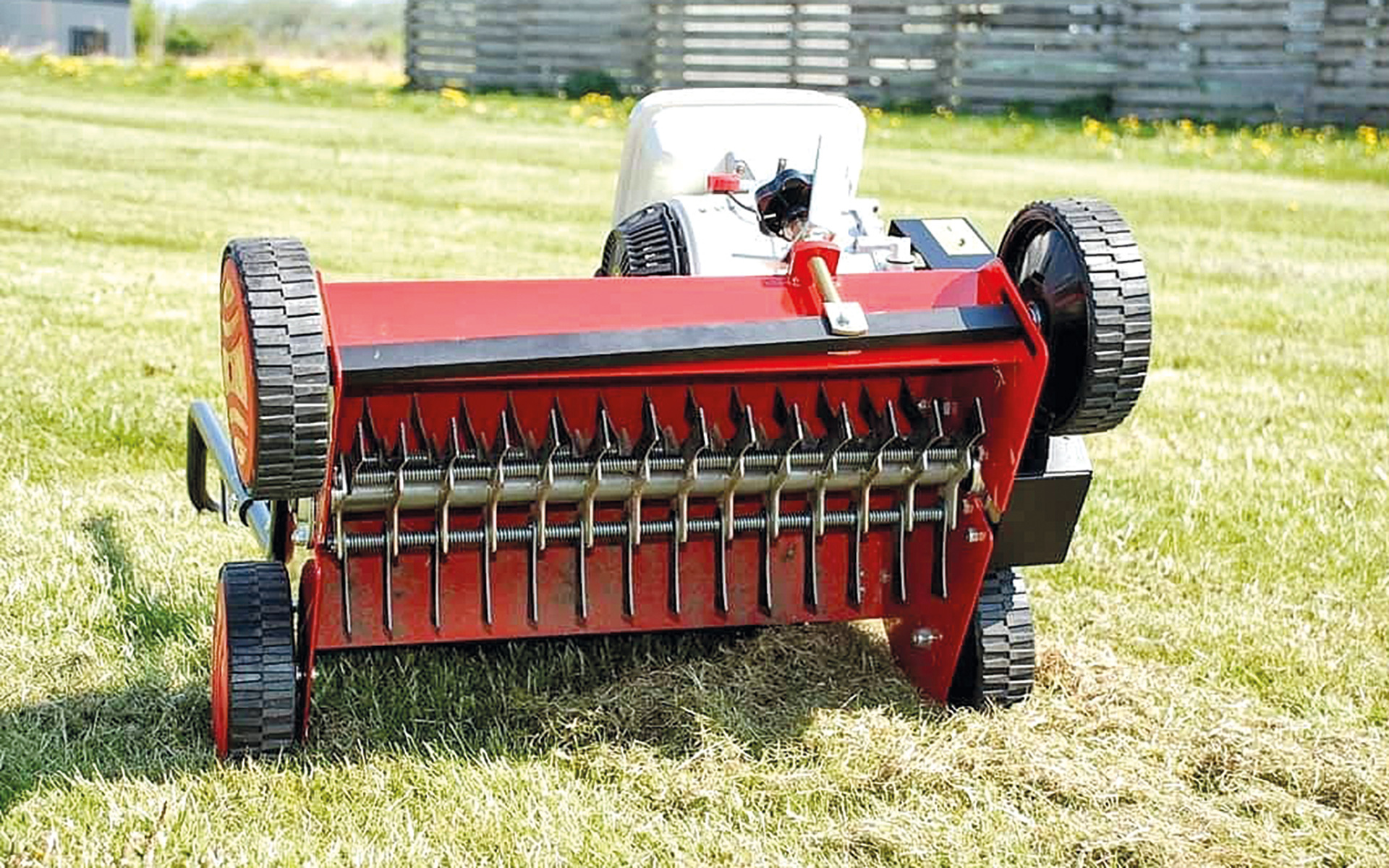
The aerator is designed for frequent, low-impact maintenance operations, making it perfect for integrating into the vineyard management routine and keeping the soil in good condition.
Soil decompactors: targeted deep-tilling operations
Soil decompactors are specialised pieces of equipment designed for deep soil aeration. They are used where there are heavily compacted layers, such as so-called tillage plough pans, which prevent roots from penetrating deep into the soil.
Unlike other tillage methods, subsoilers operate vertically, creating fissures in the soil without turning the layers over. This improves the deep soil structure, promoting root development and increasing the soil’s capacity to retain water and nutrients.
A good example is the DCV subsoiler, designed for vineyards and orchards. This implement allows you to:
- remove compaction caused by vehicle traffic
- increase the soil’s drainage capacity
- promote deep root development
Key technical features of the DCV model:
- robust frame with tines capable of working to a depth of approximately 40 cm
- available with fixed or variable working width (DCV-VARIO model)
- Category II three-point hitch
- option to add accessories such as a localised fertilisation kit or cage roller (depending on the version)
This type of equipment is particularly useful when persistent compaction or a hard layer in the soil is identified, which negatively impacts root growth.
Vineyard aeration and sustainability
Vineyard aeration makes a tangible contribution to more sustainable soil management. Well-structured soil is more resistant to erosion, copes better with heavy rainfall and requires fewer corrective measures over time.
Furthermore, by promoting biological activity and the presence of organic matter, aeration helps maintain a natural balance that improves soil fertility in the long term. This approach reduces the environmental impact of cultivation and makes the most of the resources already present in the soil.
Final thoughts
Every vineyard has different characteristics and requirements, which is precisely why choosing the right equipment makes all the difference. If you’d like to find out more about the most suitable solutions for aerating your soil and understand which method is most effective given your soil conditions, we recommend consulting a professional.
Contact your nearest agent for personalised advice and to find the best solution for optimising soil health and the performance of your vineyard. Direct support can help you make more informed choices that are geared towards long-term results.